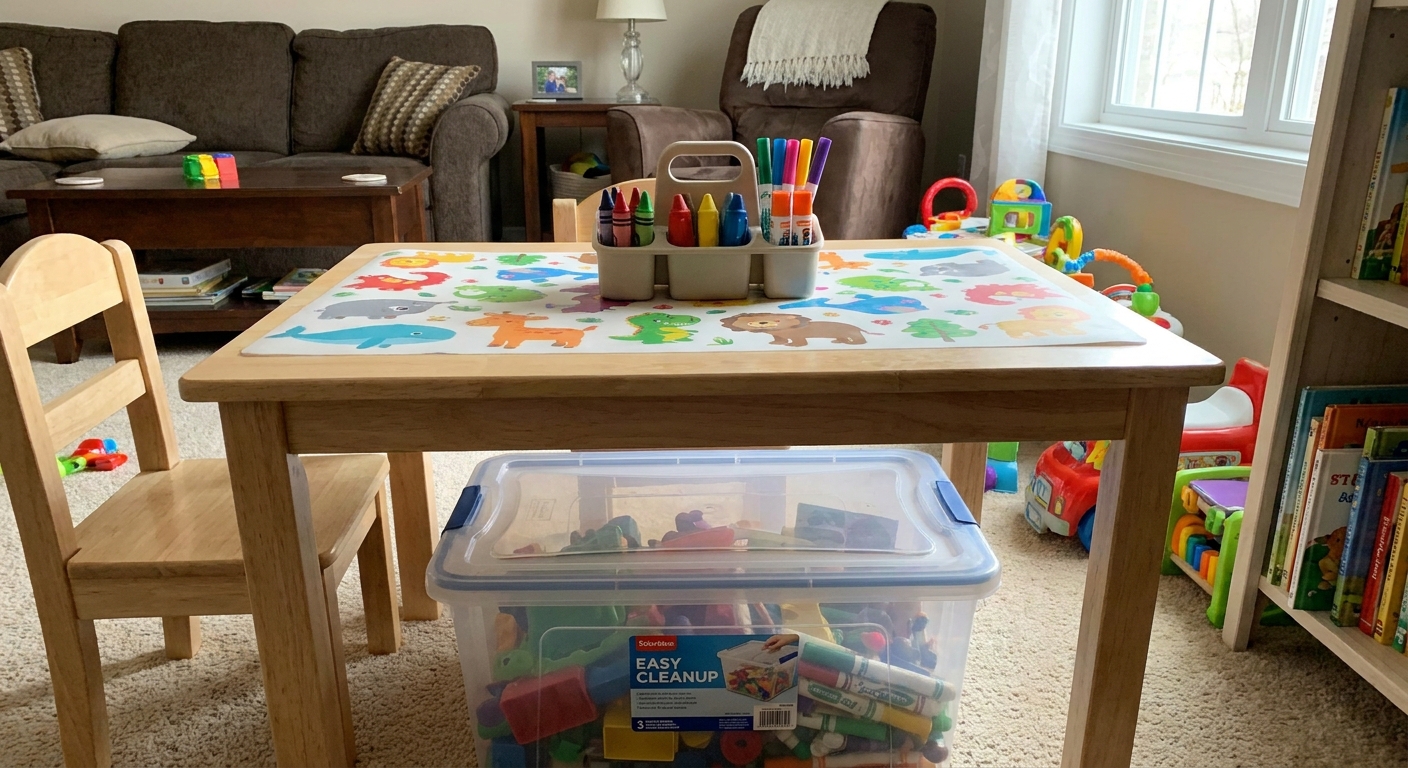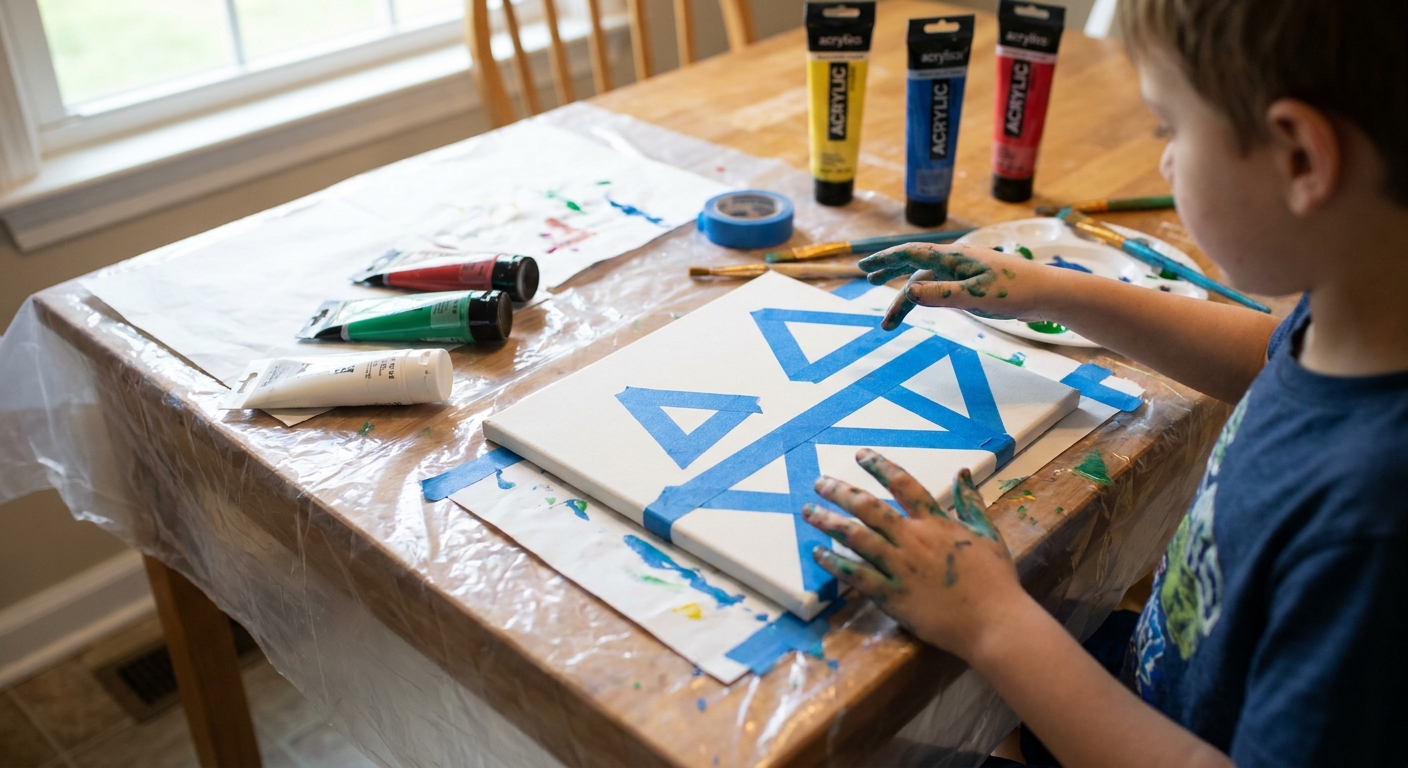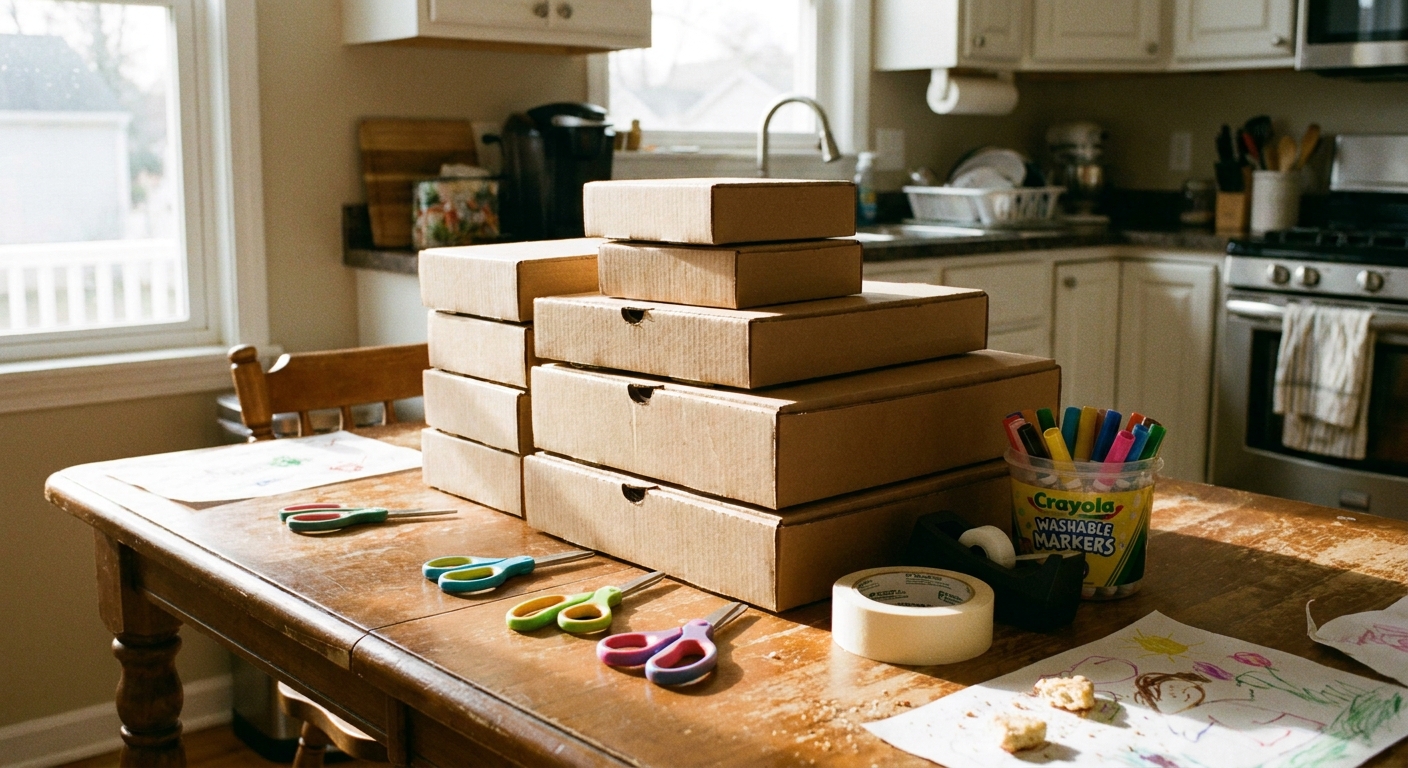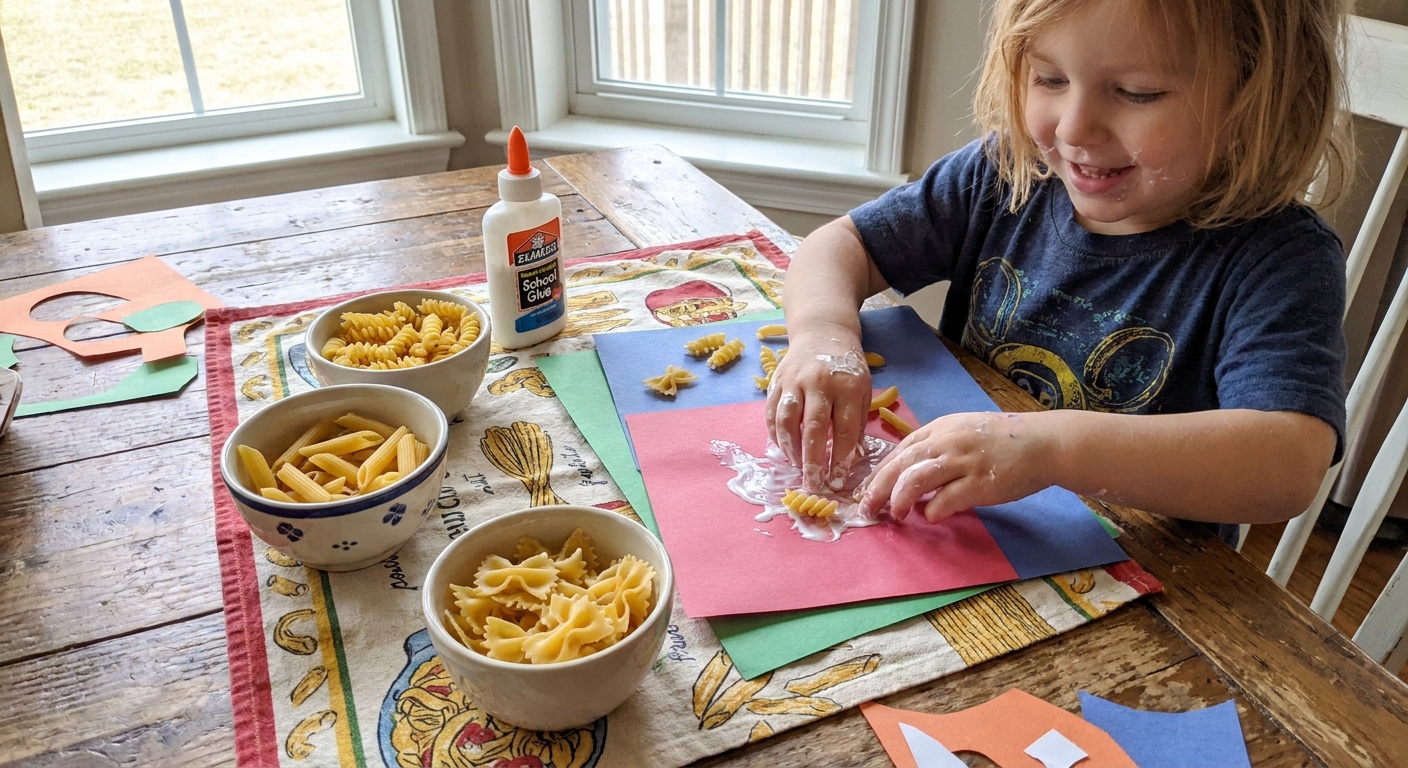

In my house, “washable” is not a cute marketing word. It is a household requirement. Between three kids, a rescue dog with no respect for drying time, and the reality that crafts happen five minutes before dinner, I need supplies that rinse out of clothes, wipe off tables, and do not permanently decorate my walls.
This guide compares the most reliable types of washable markers and paints for stain-free crafting, with a very parent-focused lens: clean-up speed, stain risk, where they tend to go wrong, and who they work best for.
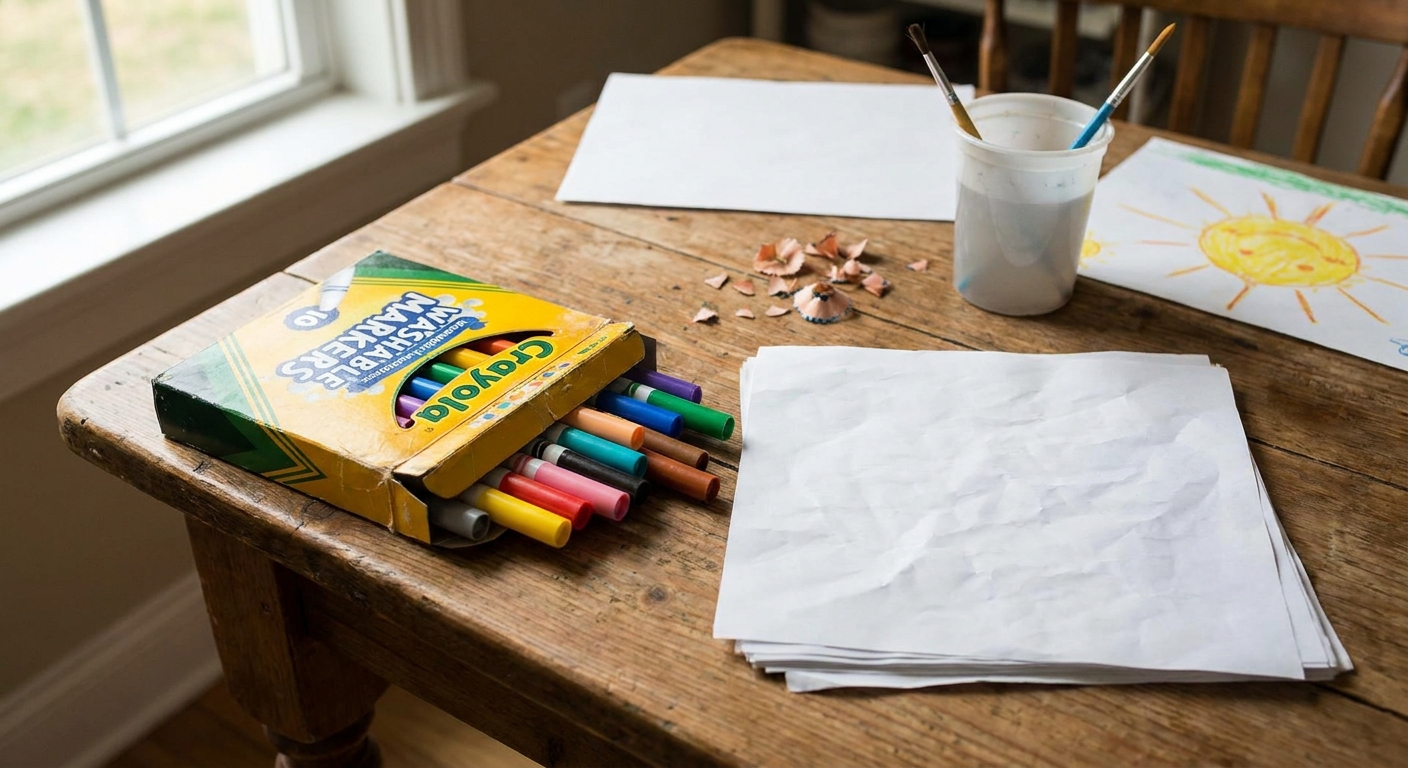
My quick definition of “actually washable”
Most mess disasters happen because we expect one product to behave the same on every surface. In real life, “washable” depends on four things:
- Surface type: sealed table versus raw wood, painted drywall versus glossy door, cotton shirt versus polyester jersey.
- Time: the longer it sits, the harder it is to lift. Overnight is a different sport.
- Heat: a hot wash or the dryer can set some dyes and pigments.
- Cleaning method: water-only versus soap, friction, and whether you are blotting or scrubbing.
When I say “best,” I mean: predictable performance, minimal staining when used normally by kids, and a cleanup process that does not take over your day. Even then, results can vary by fabric and finish, so I always treat the first use like a mini test run.
At-a-glance comparison: markers and paints that behave
| Type | Best for | Stain risk | Cleanup speed | Where it can go wrong |
|---|---|---|---|---|
| Ultra-clean washable broadline markers | Everyday coloring, posters, classrooms | Low | Fast | Porous surfaces (unfinished wood, grout), left for days |
| Ultra-clean washable mini markers | Toddlers and preschoolers learning control | Low | Fast | Caps get lost, tips can fray with heavy pressure |
| Washable tempera paint (bottles) | Big painting sessions, groups | Medium | Medium | Fabric stains if it dries, can cling to textured walls |
| Washable tempera paint sticks | Low-mess painting, travel crafts | Low to medium | Fast | Can smear if thick, some colors can be stubborn on fabric |
| Washable watercolor sets | Quiet table time, older kids | Low | Fast | Spilled water cup, pigment on untreated wood |
| Washable finger paint | Toddlers, sensory play | Medium | Medium | Gets into fabric fibers and cuticles, dries fast on clothes |
The best washable markers (and which ones I buy for which age)
Best overall: Crayola Ultra-Clean Washable Markers (broadline)
If you want one marker set that works for mixed ages and mixed skill levels, this is my pick. “Ultra-Clean” is the broadline washable formula Crayola markets as easier to wash off than older washable inks, and in my experience it is the most predictable for quick wipe-downs on sealed surfaces.
- Why parents love them: dependable cleanup, easy to find, consistent ink flow.
- Best for: ages 3 and up (or whatever age is printed on your box), classrooms, weekend craft bins.
- Watch-outs: if your child colors directly on unfinished wood or unsealed porous surfaces, the dye can grab. Put down a barrier.
My routine shortcut: keep a cheap plastic tablecloth folded in the craft bin. It turns “washable” into “wipeable.”
Best for little hands: Crayola Pip-Squeaks Washable Markers
Mini markers are a surprisingly big deal for toddlers and younger preschoolers. Smaller barrel, shorter tip, and less leverage for aggressive wall-art. They also fit better in small pencil grips if you use them.
- Why they work: kid control improves, less ink laid down per second.
- Best for: roughly ages 2 to 5, restaurant coloring, travel.
- Watch-outs: more caps to lose. If caps go missing, tips dry out.
Best for older kids who want bold color: washable gel markers (with caution)
Washable gel markers can be fun for older kids because they write smoothly and pop on dark paper, but they lay down a heavier, wetter line. That can mean more smearing and more transfer to hands and sleeves.
- Best for: ages 6 and up, supervised craft time.
- Watch-outs: keep them off fabric and upholstery during the “still wet” window, and do a quick spot test if you are using them on anything you care about.
The best washable paints for stain-free crafting
Best for big batches: washable tempera paint (bottles)
For group crafts, posters, cardboard builds, and “I need them busy for an hour” afternoons, washable tempera is the workhorse. It covers well, mixes predictably, and rinses off many surfaces while it is still wet. Once it dries, especially on fabric and unfinished surfaces, it can take more work.
- Why it’s worth it: affordable per ounce, great color payoff.
- Best for: ages 4 and up (check the label), classrooms, larger projects.
- Stain risk: medium, mostly on fabric if it dries fully.
Parent note: tempera on clothing is easiest when you treat it like food stains. Rinse from the back with cold water first when you can, then soap, then wash. Keep it out of the dryer until you are sure it is gone.
Best low-mess paint: washable tempera paint sticks
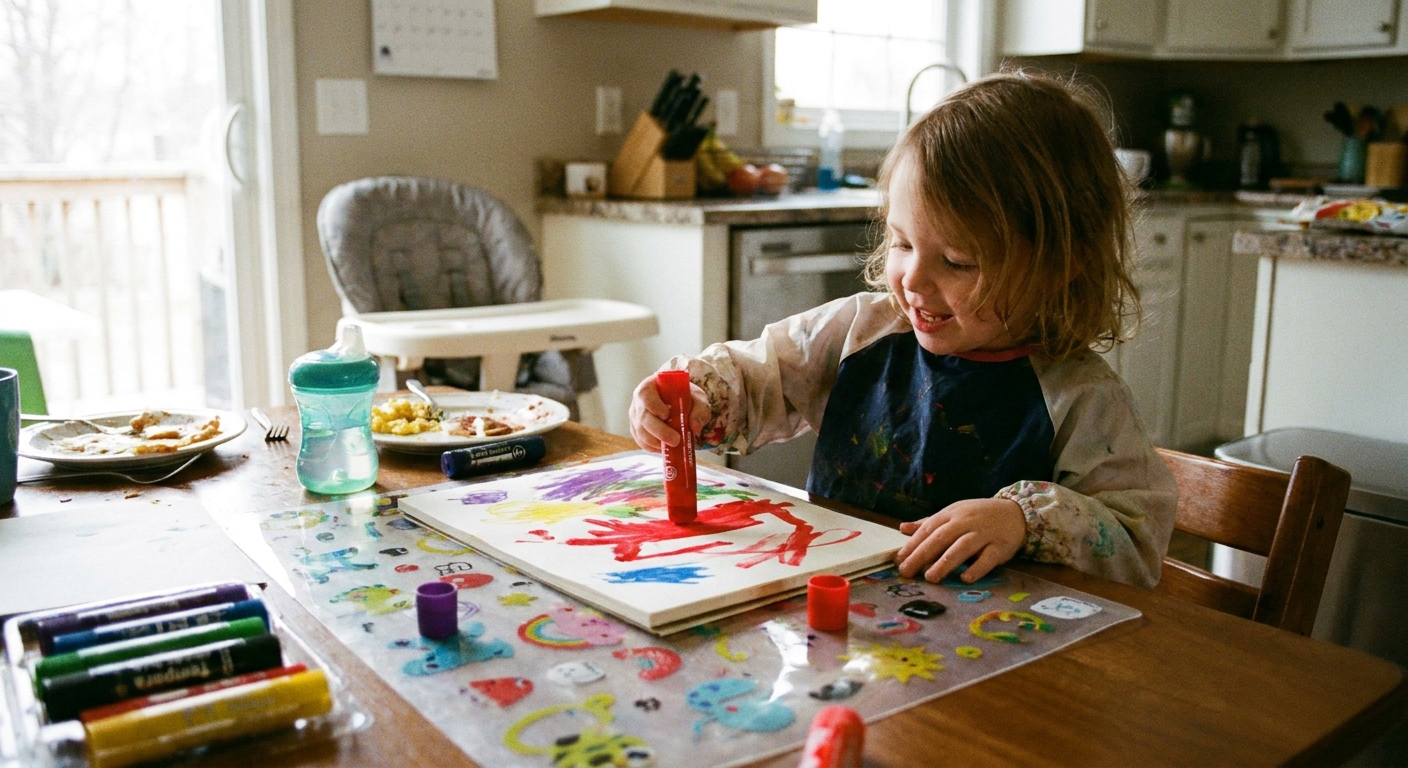
Paint sticks are my secret weapon for “painting” without the full paint setup. They feel like a glue stick, glide on paper, and remove the open-cup temptation.
- Why parents love them: less dripping, faster setup and cleanup.
- Best for: ages 3 and up, craft stations, travel crafts.
- Watch-outs: thick layers can smear onto sleeves before they dry. Give kids a drying spot.
Best quiet-time paint: washable watercolors
Washable watercolors are typically low stain risk and easy to reset with water. For kids who can handle “dip brush, wipe brush,” they are one of the cleanest paint options.
- Best for: ages 5 and up, calm craft time, small spaces.
- Watch-outs: spills. Use a short, wide water cup and fill it halfway.
Best sensory option (with rules): washable finger paint
Finger paint is a classic for a reason, but it is the one most likely to end up under fingernails, on sleeves, and on the dog. “Washable” is real, but the mess radius is bigger.
- Best for: roughly ages 18 months to 4 years, sensory play, supervised table work.
- Stain risk: medium, especially if it dries on fabric.
- My rule: finger paint is a smock activity, always. If you do not have a smock, an old adult button-down shirt works perfectly.
What to choose for your home (fast recommendations)
If you want the cleanest everyday setup
- Markers: Ultra-clean washable broadline markers
- Paint: tempera paint sticks or watercolors
- Surface protection: a wipeable mat or plastic tablecloth
If you have a toddler who loves walls
- Markers: mini washable markers
- Paint: watercolors (with supervision) or paint sticks
- Extra tip: keep supplies stored out of reach and bring them out only at the table
If you do crafts with a group (birthday, class, cousins)
- Markers: broadline ultra-clean washable markers (buy extras)
- Paint: washable tempera bottles with pump tops if you have them
- Cleanup helper: baby wipes and a shallow bin for used brushes
If you are building out a simple craft routine, my “set it up once, use it all month” approach is in this mess-free craft station post. It is the closest thing I have to a sanity plan.
Stain-proofing tips that matter more than the brand
1) Put down the right barrier
Newspaper is not a barrier, it is a transfer tool. For stain-free crafting, use:
- a wipeable tablecloth
- a silicone baking mat you are not precious about
- flattened cardboard boxes for paint sessions
2) Pre-rinse rules for clothes
- Go cold first. Hot water can set some stains.
- Rinse from the back of the fabric when you can. It often helps push pigment out instead of deeper in.
- Dish soap is underrated. A tiny amount works well on many washable markers and paints.
- No dryer until you are sure. Heat can set what is left behind.
3) Treat upholstery like a “blot only” zone
If marker or paint hits the couch, blot with a clean cloth dampened with water and a tiny bit of dish soap. Scrubbing can spread pigment and rough up fibers, making the stain cling. If it is a new-to-you product or a tricky fabric, spot-test in an inconspicuous area first.
4) Keep “high-risk colors” in mind
Even in washable lines, darker pigments like reds, magentas, blues, and purples are often more stubborn on fabric and grout. If you are crafting in nice clothes or on light carpet, steer toward lighter shades or switch to watercolors for that session.
Washable does not mean worry-free
There are a few surfaces and products I treat like they are just waiting to break my spirit.
Surfaces to protect
- Unfinished wood: absorbs dye and paint quickly.
- Grout and tile lines: pigment settles into texture.
- Matte painted walls: “washable” wall paint still scuffs. Wiping can create a shiny spot.
- Vintage or delicate fabrics: fibers can grab pigment and distort with scrubbing.
Supplies I avoid for “stain-free” crafting
- Permanent markers: they are doing exactly what they promised.
- Acrylic and most craft paints: great for finished projects, not great for kid clothes and couches.
- Anything not labeled washable: especially if it will be used by kids who believe the table is also paper.
For crafts that are intentionally a little messier, I like using pantry supplies and disposable bases. If that is your vibe, these pantry staple crafts are fun without being precious.
My simple shopping checklist
- 1 reliable marker set (ultra-clean washable broadline)
- 1 low-mess paint option (paint sticks or watercolors)
- 1 “big project” paint (washable tempera bottles) if you do posters, cardboard builds, or group crafts
- 1 barrier (wipeable tablecloth or mat)
- 1 smock solution (real smock or old button-down)
That is enough to cover most craft moods without turning your cabinet into an art store.
Quick FAQ
Are washable markers safe for toddlers?
Many washable marker lines are labeled non-toxic, but “non-toxic” is not the same as “edible.” For toddlers, choose products labeled for young children, supervise use, and store them out of reach when you are done. Also, “washable” mostly describes cleanup, not safety.
What removes washable marker from clothes best?
Cold rinse from the back of the fabric when you can, then a small amount of dish soap worked into the stain, then wash on cold. Air dry until you confirm it is gone.
What about stains on walls?
Start with a damp microfiber cloth and a drop of dish soap. Test in a hidden spot first, because wall paint can burnish or lift. If you have matte walls, gentle is the name of the game.
Do I need “washable” if my kid uses smocks?
Smocks help, but washable supplies still matter for hands, furniture, and the random places kids touch while carrying their masterpiece across the house.
One last mom-to-mom note
The best washable supplies are the ones your kids will actually use because you are not stressed about the mess. When cleanup feels doable, crafts happen more often, and that is the win.
If you want a few quick, low-prep projects to go with your new supplies, start with these box crafts or browse the full Kids Crafts guide.